Introduction – Why Buffer-Free IPTV Matters
Internet television has transformed how people watch entertainment in the United Kingdom. Instead of relying on traditional cable or satellite broadcasting, many viewers now prefer streaming television through internet-based platforms. Buffering Free IPTV in UK has become one of the most popular technologies for delivering live TV channels, movies, sports, and on-demand content.
However, buffering is one of the main annoyances people encounter when watching IPTV. Buffering occurs when the video pauses temporarily to load additional data. This interruption can disrupt the viewing experience, especially during live sports, movies, or important television events.
For viewers who expect smooth and uninterrupted streaming, buffering can quickly become annoying. A buffer-free IPTV experience allows users to watch their favorite channels without delays, interruptions, or quality drops.
In the UK, the demand for stable IPTV services has increased significantly. As more households rely on internet streaming, viewers are searching for reliable ways to eliminate buffering and enjoy high-quality entertainment every time they press play.
This guide explains how IPTV works, why buffering occurs, and what steps viewers can take to achieve smooth streaming performance.
Understanding IPTV Technology
IPTV stands for Internet Protocol Television. Unlike traditional broadcast systems that deliver signals through satellite or cable networks, IPTV sends television content through internet connections.
When a viewer selects a channel or video through an IPTV application, the content is delivered through internet data packets from a remote server directly to the user’s device.
This method provides several advantages over traditional broadcasting:
- Access to thousands of channels
- On-demand content libraries
- Multi-device compatibility
- Flexible subscription models
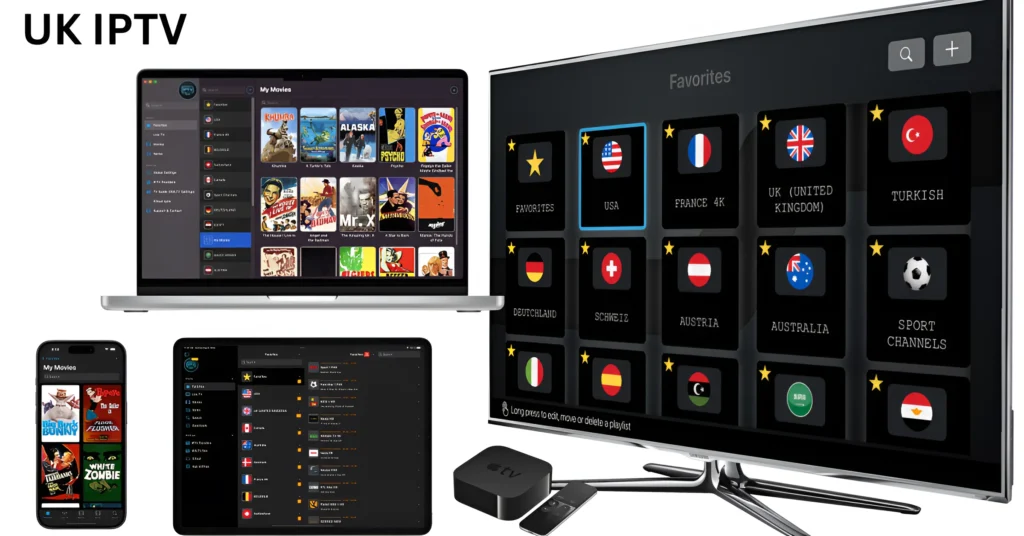
Because IPTV UK operates through the internet, it also allows viewers to watch content on various devices such as smart TVs, smartphones, tablets, laptops, and streaming boxes.
IPTV vs Traditional Cable Television
In traditional television broadcasting, all viewers receive signals at the same time. Each television simply receives the signal transmitted by the broadcaster.
IPTV works differently. Instead of broadcasting everything at once, IPTV without buffering delivers content only when a viewer requests it. This allows more flexibility but also means the quality of the stream depends heavily on internet performance.
Types of IPTV Services
There are several types of IPTV content delivery methods:
Live Television
Live IPTV broadcasts TV channels in real time, just like traditional television.
Video on Demand (VOD)
Users can watch movies, series, or programs whenever they want from a large library of content.
Catch-Up TV
This feature allows viewers to watch programs they missed earlier by accessing previously broadcast content.
These features make IPTV a powerful entertainment platform, but they also rely on stable internet connections to perform well.
What Causes Buffering in IPTV Streaming
One of the most frequent problems that IPTV consumers have is buffering. Understanding the reasons behind buffering can help viewers identify solutions.
Slow Internet Speeds
Inadequate internet speed is the most frequent reason of IPTV buffering. Streaming high-quality video requires a stable and fast internet connection.
If the connection is too slow, the video cannot load quickly enough, causing playback interruptions.
Network Congestion
Another factor that can affect IPTV performance is network congestion. When multiple devices in a household use the internet simultaneously, bandwidth is shared among them.
For example, if several people are streaming videos, downloading files, or playing online games at the same time, the available bandwidth may not be enough to support smooth IPTV streaming.
Weak Wi-Fi Signals
Many IPTV users rely on wireless connections. However, weak Wi-Fi signals can lead to unstable streaming performance.
Walls, electronic devices, and long distances between the router and the streaming device can weaken the signal.
Overloaded IPTV Servers
Sometimes the problem does not come from the user’s internet connection but from the IPTV provider’s servers.
If too many users access the same server at the same time, the system may become overloaded, causing delays and buffering.
Reliable IPTV providers usually use powerful servers and load balancing systems to prevent this issue.
Device Performance Limitations
Older streaming devices or smart TVs may struggle to process high-definition video streams. Limited memory or outdated software can slow down playback and cause buffering.
Upgrading to modern streaming devices can significantly improve performance.
Internet Speed Requirements for Buffering Free IPTV in UK
The quality of streaming is greatly influenced by internet speed. Different video resolutions require different levels of bandwidth.
Standard Definition Streaming
Standard definition (SD) streaming requires approximately 5–10 Mbps. This resolution is suitable for smaller screens but does not provide the sharp image quality expected by most viewers today.
High Definition Streaming
HD streaming typically requires around 15–20 Mbps. This resolution offers clear images and is commonly used for television series and movies.
Full HD Streaming
Full HD (1080p) streaming requires approximately 20–30 Mbps. Many cheap iptv subscription services provide channels in this resolution for improved viewing quality.
4K Ultra HD Streaming
4K streaming requires 30–50 Mbps or more depending on compression technology. Ultra HD streaming delivers exceptional image detail but demands faster internet connections.
Testing internet speed regularly can help users determine whether their connection is suitable for IPTV streaming.
Choosing the Right IPTV Provider
Selecting a reliable IPTV provider is essential for avoiding buffering issues.
Reliable Server Infrastructure
Quality 4k iptv subscription uk services use powerful server networks capable of handling thousands of simultaneous users.
Global Content Delivery Networks
Content Delivery Networks (CDNs) distribute video content across multiple global servers. This reduces streaming delays and improves performance.
Customer Support
Reliable providers offer technical support to help users resolve connection or playback issues quickly.
Free Trials
Cheap IPTV services provide free trial periods. These trials allow users to test streaming quality before purchasing a subscription.
Best Devices for Smooth IPTV Streaming
The device used for IPTV streaming can greatly affect playback performance.
Smart TVs
Modern smart televisions support IPTV apps directly and provide excellent viewing experiences on large screens.
Android TV Boxes
Android streaming boxes are popular among IPTV users because they support numerous apps and offer powerful hardware.
Smartphones and Tablets
Mobile devices allow users to watch IPTV content anywhere. Many apps provide adaptive streaming that adjusts video quality based on internet speed.
Laptops and Desktop Computers
Computers provide another convenient option for IPTV streaming. Large monitors and powerful processors can improve playback quality.
Importance of a Stable Internet Connection
Even with a good IPTV packages provider and modern device, a stable internet connection remains the most important factor for smooth streaming.
High-speed broadband connections, especially fiber-optic internet, provide the best performance for IPTV services.
Users should also consider router quality, network configuration, and proper device placement to ensure strong connections.
Wired vs Wireless Connections
One of the most important factors that affect IPTV performance is the type of internet connection used between the router and the streaming device.
Why Ethernet Provides Better Stability
A wired Ethernet connection provides the most stable and consistent internet connection for IPTV streaming. When a device is connected directly to the router using an Ethernet cable, the data transfer is faster and less affected by interference.
Benefits of using Ethernet include:
- Lower latency during streaming
- Faster data transfer speeds
- Reduced risk of signal interference
- More reliable streaming during peak internet usage
For users who want the best possible IPTV experience, connecting their smart TV or streaming device directly to the router with an Ethernet cable is highly recommended.
Limitations of Wi-Fi Streaming
Wi-Fi connections are convenient but may not always provide the most stable streaming performance. Wireless signals can be affected by many factors, including:
- Distance from the router
- Thick walls or obstacles
- Interference from other wireless devices
- Network congestion
When the Wi-Fi signal becomes weak or unstable, buffering may occur because the streaming device cannot receive data fast enough.
Using Powerline Adapters
Powerline adapters provide an alternative solution for households where running Ethernet cables is not practical. These devices transmit internet signals through the electrical wiring of the home.
By connecting a powerline adapter to the router and another near the streaming device, users can create a stable wired connection without installing long cables.
Optimizing Wi-Fi for IPTV
If a wired connection is not possible, users can improve Wi-Fi performance by:
- Placing the router in a central location
- Reducing interference from other devices
- Using modern dual-band or tri-band routers
- Upgrading to Wi-Fi 6 routers for faster speeds
These steps can significantly improve streaming stability.
IPTV Apps and Software Optimization
Another important factor for smooth IPTV streaming is the software used to access IPTV services.
Choosing the Right IPTV Player
Different IPTV applications offer different features and performance levels. A good IPTV player should support adaptive streaming, stable playback, and regular updates.
Reliable IPTV apps usually provide:
- Electronic Program Guides (EPG)
- Catch-up TV features
- Multi-screen viewing options
- Customizable video settings
Using a well-optimized IPTV application can reduce buffering and improve overall playback quality.
Updating Applications Regularly
Outdated apps may contain bugs or compatibility issues that affect streaming performance. Updating IPTV applications ensures that users benefit from the latest performance improvements and security updates.
Regular updates also improve compatibility with new operating systems and devices.
Clearing Cache for Better Performance
Over time, IPTV applications store temporary data known as cache files. If too many cache files accumulate, they may slow down the application.
Clearing the cache regularly can help restore optimal performance and prevent playback issues.
Restarting Devices
Sometimes simple actions such as restarting the streaming device can solve buffering problems. Restarting clears memory and refreshes the system processes that handle streaming data.
Streaming Settings That Reduce Buffering
Adjusting streaming settings can also help improve IPTV performance.
Adjusting Video Resolution
Higher video resolutions require more internet bandwidth. If the internet connection is not strong enough for 4K streaming, reducing the resolution to Full HD or HD may eliminate buffering.
Most IPTV applications allow users to manually adjust streaming quality settings.
Enabling Adaptive Bitrate Streaming
Adaptive bitrate streaming automatically adjusts video quality based on the available internet speed. When network conditions change, the system lowers or increases video quality to maintain smooth playback.
This technology helps prevent interruptions during streaming.
Managing Device Storage and Memory
Streaming devices with limited storage or memory may struggle to process high-quality video streams. Deleting unnecessary applications and files can free up resources for better IPTV performance.
Closing Background Applications
Running multiple applications simultaneously can consume processing power and internet bandwidth. Closing unnecessary apps ensures that the streaming device focuses entirely on IPTV playback.
Advanced Technologies That Improve Buffering Free IPTV in UK
Modern IPTV systems use advanced technologies to deliver stable streaming performance.
Content Delivery Networks (CDN)
Content Delivery Networks distribute streaming data across multiple servers located around the world. When a viewer requests content, the system delivers the stream from the nearest server.
This reduces latency and improves streaming speed.
Load Balancing Servers
Load balancing distributes user traffic across multiple servers to prevent overload. If one server becomes busy, the system redirects viewers to another server with available capacity.
This ensures stable streaming even during peak viewing times.
Cloud-Based IPTV Infrastructure
Many modern sports venue IPTV providers use cloud technology to manage their streaming infrastructure. Cloud systems allow providers to scale server capacity based on demand.
This flexibility helps maintain consistent streaming quality for large numbers of users.
Artificial Intelligence in Streaming Optimization
Artificial intelligence is increasingly used in streaming platforms to optimize video delivery. AI algorithms analyze network conditions and adjust streaming parameters in real time.
This technology helps prevent buffering and ensures smooth playback.
Benefits of Buffering Free IPTV in UK
A buffer-free IPTV experience provides many advantages for viewers.
Smooth Live TV Viewing
Buffer-free streaming allows viewers to watch live television channels without interruptions. This is particularly important for live sports events and news broadcasts.
Better Sports and Event Streaming
Sports fans depend on real-time streaming to follow matches. Smooth playback ensures that viewers never miss important moments such as goals or game-winning plays.
Consistent Video Quality
Buffer-free streaming maintains consistent image quality throughout the viewing session. This creates a more immersive entertainment experience.
Improved User Experience
Overall, smooth streaming improves user satisfaction and encourages viewers to rely on IPTV as their primary entertainment source.
Tips for Maintaining Smooth IPTV Performance
Maintaining stable IPTV no buffering streaming requires ongoing attention to network and device performance.
Keep Internet Equipment Updated
Modern routers and networking equipment provide faster speeds and better stability. Upgrading outdated hardware can significantly improve streaming performance.
Monitor Network Usage
Heavy internet usage from multiple devices may reduce available bandwidth for IPTV streaming. Monitoring network activity helps identify potential issues.
Use High-Quality Streaming Hardware
Investing in modern streaming devices with powerful processors and sufficient memory ensures smooth playback of high-resolution content.
Restart the Router Regularly
Restarting the router periodically can refresh network connections and improve overall internet performance.
Future of Buffering Free IPTV in UK
The future of IPTV uk fhd streaming is closely connected to advancements in internet technology.
Expansion of Fiber Internet
Fiber-optic internet networks are expanding across the UK, providing faster and more reliable connections for streaming services.
Impact of 5G Networks
5G mobile networks offer significantly higher speeds and lower latency compared to previous wireless technologies. This will allow viewers to stream IPTV smoothly even on mobile devices.
Growth of 4K and 8K Streaming
As display technology improves, more best sports iptv providers will offer ultra-high-definition streaming formats such as 4K and 8K.
Next-Generation Streaming Technologies
Future streaming systems may include enhanced compression technologies, improved AI optimization, and faster global content delivery networks.
These innovations will continue to improve IPTV performance and reduce buffering issues.
Conclusion – Buffering Free IPTV in UK
Buffering is one of the most common challenges faced by IPTV users, but it is not an unavoidable problem. By understanding the factors that affect streaming performance and applying the right solutions, viewers can enjoy smooth and uninterrupted IPTV entertainment.
A reliable IPTV box uk provider, fast internet connection, optimized network setup, and modern streaming device all contribute to a buffer-free viewing experience.
As internet infrastructure continues to improve and streaming technologies evolve, Premium IPTV will become even more reliable, providing high-quality entertainment for viewers across the UK.