Introduction – Why Stability Matters in IPTV
In today’s digital world, viewers expect instant access to entertainment. Whether it’s live football, breaking news, or the latest movie release, no one wants interruptions. Unfortunately, buffering remains one of the biggest frustrations in online streaming. Stable IPTV in the UK: No buffering and high quality.
In the UK, IPTV has become a popular alternative to traditional cable and satellite TV. However, not all IPTV services deliver the same level of stability. A stable IPTV service ensures smooth playback, fast channel switching, and consistent high-definition quality without freezing or lag.
For households investing in IPTV, performance reliability is just as important as channel variety or pricing. That’s why understanding what makes IPTV stable is essential before subscribing.
What Is IPTV and How Does It Work?
IPTV (Internet Protocol Television) delivers television content through an internet connection rather than satellite or cable networks.
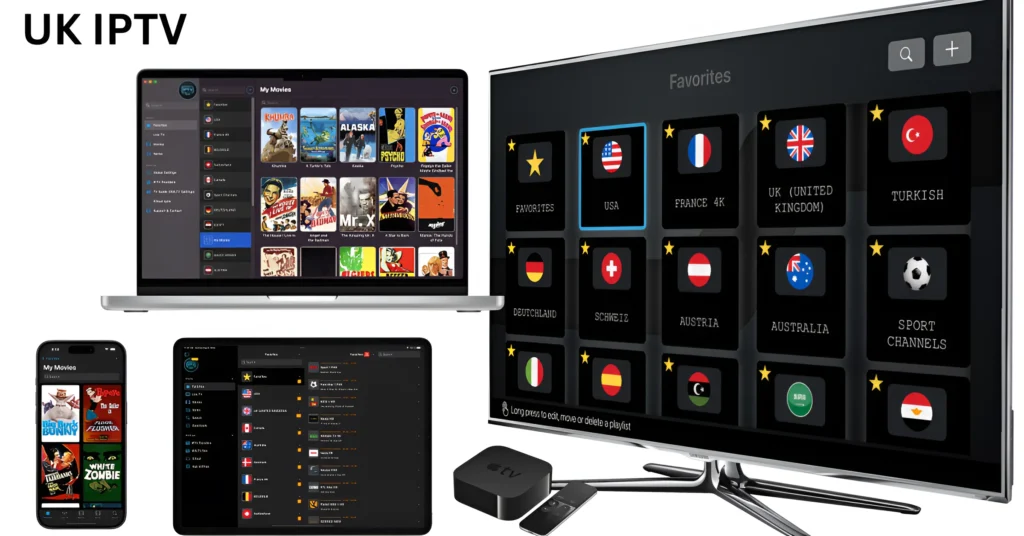
Instead of receiving signals from a dish or underground cables, IPTV streams content through data packets sent via broadband. This allows users to watch live TV, movies, and on-demand series on various devices, including:
-
Smart TVs
-
Android TV boxes
-
Firestick devices
-
Smartphones and tablets
-
Laptops and PCs
Because IPTV depends on internet delivery, its performance is directly influenced by connection speed, network stability, and server quality.
Common Causes of IPTV Buffering
Buffering occurs when your device pauses playback to load more data. Several factors can cause this issue.
1. Slow Internet Speed
If your internet speed is too low for the streaming quality selected, buffering will occur. For example:
-
SD requires around 10 Mbps
-
HD requires around 20 Mbps
-
4K requires 30+ Mbps
If your connection falls below these levels, playback may freeze.
2. Network Congestion
During peak evening hours, many households stream content simultaneously. This can slow down broadband performance, particularly on shared networks.
3. Poor IPTV Server Infrastructure
Even with fast internet, weak servers can cause buffering. If too many users connect to overloaded servers, streams may lag.
4. Weak Wi-Fi Signals
Streaming over Wi-Fi from a distant router may cause instability. Thick walls and interference from other devices reduce signal strength.
5. Device Performance Issues
Older devices with limited processing power may struggle to decode high-quality streams smoothly.
Understanding these causes helps viewers identify whether the problem lies with their internet, device, or IPTV provider.
Key Features of a Stable IPTV Service in the UK
A high-quality IPTV provider invests in advanced infrastructure to minimize buffering.
Dedicated High-Speed Servers
Reliable IPTV providers use powerful servers capable of handling thousands of simultaneous users without performance drops.
Load Balancing Technology
Load balancing distributes traffic across multiple servers. This prevents any single server from becoming overloaded.
Multiple Backup Servers
Backup servers activate automatically if the main server experiences issues. This ensures continuous streaming.
Anti-Freeze and Anti-Buffer Systems
Advanced streaming optimization techniques reduce data interruptions and maintain playback flow.
Content Delivery Networks (CDN)
CDNs distribute content through multiple geographical locations. UK-based CDN nodes reduce latency and improve streaming stability for British viewers.
These technical systems work together to provide seamless viewing experiences.
Internet Requirements for Buffer-Free IPTV
Stable IPTV UK starts with a reliable broadband connection.
Minimum Speed Recommendations
-
Standard Definition (SD): 10 Mbps
-
High Definition (HD): 20 Mbps
-
4K Ultra HD: 30–50 Mbps
If multiple users stream simultaneously, higher speeds are recommended.
Low Latency Matters
Latency (ping rate) measures how quickly data travels between your device and the server. Lower latency results in smoother playback, especially for live sports.
Fibre Broadband Advantage
Fibre-optic broadband provides faster and more consistent speeds compared to older copper-based connections. Many UK households are now upgrading to fibre, improving IPTV reliability significantly.
How to Optimize Your Home Network for Stable IPTV
Even the best sports IPTV service can struggle if your home network isn’t optimized.
Use a Wired Ethernet Connection
A wired connection is more stable than Wi-Fi. Ethernet cables reduce interference and deliver consistent speeds.
Upgrade Your Router
Modern dual-band or mesh routers improve coverage and handle multiple devices efficiently.
Router Placement
Place your router centrally in your home to avoid weak signal areas.
Limit Background Usage
Large downloads, online gaming, or video calls running simultaneously can reduce available bandwidth.
Restart Devices Regularly
Rebooting your router and streaming device occasionally refreshes network connections and resolves minor technical issues.
Small adjustments can dramatically improve IPTV performance.
Devices That Support High-Quality IPTV Streaming
Stable streaming also depends on compatible hardware.
Smart TVs
Most modern Smart TVs support IPTV apps and deliver excellent performance when connected via Ethernet.
Android TV Boxes
Popular for IPTV use, these devices offer flexibility and strong decoding capabilities.
Amazon Firestick
Affordable and easy to use, Firestick devices support IPTV apps efficiently when paired with stable internet.
Mobile Devices
Smartphones and tablets work well for uk sports IPTV, though screen size may limit the viewing experience.
Using up-to-date devices ensures smooth playback and faster channel switching.
HD, Full HD, and 4K Streaming Explained
Video quality plays a major role in viewing satisfaction.
SD (Standard Definition)
Basic quality, suitable for smaller screens.
HD (High Definition)
Clear and sharp visuals, ideal for most households.
Full HD (1080p)
Improved clarity, perfect for larger screens.
4K Ultra HD
Exceptional detail and vibrant colors for compatible TVs.
Higher resolution requires more bandwidth. Choosing the correct quality setting based on your internet speed prevents buffering.
IPTV Server Quality – Why It Matters
Server infrastructure is the backbone of stable IPTV.
Shared vs Dedicated Servers
Dedicated servers provide better performance because resources are not divided among unrelated services.
Server Location
UK-based servers reduce delay and improve connection speed for British users.
Uptime Guarantee
Reliable providers offer 99.9% uptime, meaning minimal service interruptions.
When servers are well-maintained and professionally managed, buffering becomes rare.
Anti-Buffer Technology and Adaptive Streaming
One of the most important innovations in modern IPTV without buffering is adaptive streaming technology. This feature plays a major role in reducing buffering.
How Adaptive Bitrate Streaming Works
Adaptive bitrate streaming automatically adjusts video quality based on your internet speed in real time. For example:
-
If your connection is strong, it streams in HD or 4K.
-
If your speed drops temporarily, it lowers the resolution slightly to avoid freezing.
Instead of pausing the video to load data, the system adjusts intelligently. This creates smoother playback, even when bandwidth fluctuates.
Content Delivery Networks (CDNs)
A Content Delivery Network distributes IPTV no buffering streams through multiple data centers across different locations. For UK viewers, having UK-based CDN nodes reduces latency significantly.
Lower latency means:
-
Faster channel switching
-
Reduced delay during live events
-
Minimal buffering during peak hours
CDNs are one of the biggest reasons premium IPTV UK providers deliver consistent quality.
Smart Data Compression
Modern cheap iptv subscription services use advanced compression technologies to deliver high-quality video using less bandwidth. This ensures:
-
Stable HD playback
-
Efficient data usage
-
Reduced network congestion
These technologies work together to keep streams stable and smooth.
Stable IPTV for Live Sports and Major Events
The ultimate test of IPTV dependability is live sports. Unlike movies or recorded content, live matches cannot pause to buffer.
Why Sports Require Maximum Stability
Sports events have millions of simultaneous viewers, especially during:
-
Football league matches
-
International tournaments
-
Boxing pay-per-view events
-
Major finals
During these peak moments, weak IPTV servers often fail.
Handling High Traffic During Peak Times
4k iptv subscription uk providers prepare for peak demand by:
-
Expanding server capacity
-
Using load balancing systems
-
Activating backup servers
-
Scaling cloud infrastructure automatically
These systems ensure streams remain stable even during high-traffic events.
Multi-Stream Redundancy
Some premium IPTV services offer multiple stream sources for major channels. If one stream encounters issues, the system switches to another instantly.
This redundancy is critical for uninterrupted sports viewing.
Comparing Stable IPTV with Traditional TV
Many UK households still rely on satellite or cable television. However, traditional TV is not immune to interruptions.
Weather-Related Disruptions
Satellite TV can experience signal loss during:
-
Heavy rain
-
Snowstorms
-
Strong winds
British IPTV, on the other hand, relies on internet infrastructure and is unaffected by weather conditions.
Hardware Limitations
Traditional TV requires:
-
Satellite dishes
-
Set-top boxes
-
Physical installation
If hardware malfunctions, service interruptions occur.
IPTV eliminates most physical infrastructure, reducing mechanical failures.
Multi-Device Flexibility
Traditional TV often charges extra for additional rooms. IPTV packages allows streaming on multiple compatible devices, depending on the subscription plan.
This flexibility adds convenience while maintaining stability.
How to Test IPTV Stability Before Subscribing
Before committing to a long-term subscription, it’s wise to test the service thoroughly.
Use Free Trials
Many reputable IPTV providers offer short trial periods. Use this time to:
-
Test HD and 4K channels
-
Stream during evening peak hours
-
Watch live sports events
This provides a realistic view of performance.
Check Channel Switching Speed
IPTV subscription uk services allow near-instant channel switching. Delays of several seconds may indicate server congestion.
Monitor Video Quality
Watch for:
-
Sudden drops in resolution
-
Freezing frames
-
Audio delays
Consistent performance across different times of day indicates strong infrastructure.
Troubleshooting IPTV Buffering Issues
Even with stable services, occasional buffering may occur. Here’s how to resolve common problems.
1. Check Your Internet Speed
Run a speed test. Ensure your connection meets the minimum requirements:
-
20 Mbps for HD
-
30+ Mbps for 4K
If speeds are lower, contact your broadband provider.
2. Use Wired Connection
Switch from Wi-Fi to Ethernet if possible. This often resolves buffering instantly.
3. Clear Application Cache
IPTV apps sometimes store temporary files that slow performance. Clearing cache refreshes the app.
4. Restart Router and Device
A simple restart can resolve network congestion and minor technical glitches.
5. Reduce Background Usage
Pause large downloads or online gaming sessions while streaming.
By following these steps, most buffering problems can be eliminated quickly.
Choosing the Best Stable IPTV Provider in the UK
Selecting the right provider makes all the difference.
Look for High Uptime Guarantees
Reliable services advertise 99.9% uptime or higher.
Check Customer Reviews
User feedback often reveals real-world performance details.
Evaluate Customer Support
Responsive customer service indicates professionalism and reliability.
Ensure Legal Compliance
Choose providers operating within legal frameworks to avoid sudden shutdowns.
Assess Channel Quality
Instead of focusing only on the number of channels, priorities:
-
HD availability
-
4K options
-
Stream stability
Quality always outweighs quantity.
Future of Stable IPTV in the UK
The future of IPTV uk fhd stability looks promising.
Nationwide Fiber Expansion
The UK continues expanding fiber broadband coverage. Faster and more stable internet directly improves IPTV performance.
Cloud-Based Infrastructure
Cloud technology allows fhd iptv uk providers to scale server capacity dynamically based on demand.
AI-Based Traffic Management
Artificial intelligence is being used to predict peak traffic and allocate server resources automatically.
Growth of 4K and 8K Streaming
As internet speeds improve, ultra-high-definition streaming will become standard, further enhancing viewer experience.
IPTV technology continues evolving, making buffering increasingly rare.
Final Thoughts – Enjoy Truly Stable IPTV in the UK
Best iptv subscription uk is not just about fast internet. It’s the result of:
-
High-quality server infrastructure
-
Advanced streaming technologies
-
Proper home network setup
-
Reliable broadband connections
When these elements work together, viewers enjoy seamless streaming with no buffering and consistent high-definition quality.
Whether you’re watching live sports, movies, news, or documentaries, a sports venue iptv service ensures uninterrupted entertainment every time.
As UK broadband continues improving and IPTV technology advances, buffer-free streaming is becoming the standard rather than the exception.
If you priorities stability, choose wisely, test thoroughly, and optimize your network. The result will be smooth, high-quality streaming that rivals—or even surpasses—traditional television.
Frequently Asked Questions: Stable IPTV in UK
What internet speed do I need for buffer-free IPTV?
At least 20 Mbps for HD and 30 Mbps or higher for 4K streaming.
Why does IPTV buffer even with fast internet?
Possible causes include weak Wi-Fi signals, overloaded servers, or device performance limitations.
Is Ethernet better than Wi-Fi for IPTV?
Yes. Wired connections provide greater stability and reduce latency.
Can IPTV stream 4K without buffering?
Yes, if you have sufficient bandwidth and a reliable IPTV provider.
How do I ensure long-term stability?
Choose reputable providers, use fiber broadband when available, and optimize your home network setup.